
What to Expect & FAQs
What to Expect at Your Osteopath Appointment
If it’s your first time seeing an osteopath, you might be wondering what the experience will be like at your osteopath appointment. We aim to make things as relaxed and reassuring as possible from the moment you walk in.
Your First Osteopath Appointment: What It Involves
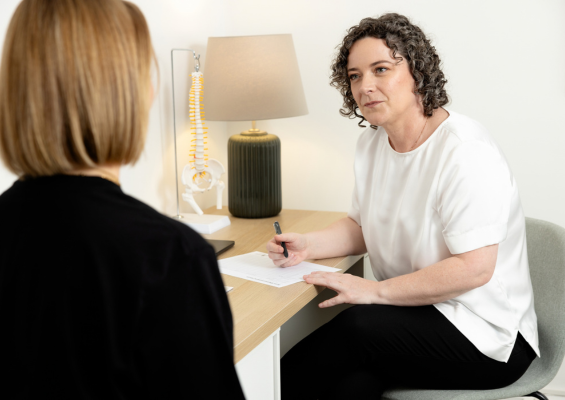
Your initial osteopath appointment usually runs for 45 to 60 minutes. We’ll start with a relaxed conversation about your health history, current concerns and goals for treatment. After a gentle physical assessment, we’ll begin hands-on care if appropriate.
Follow-up osteopath appointments are typically shorter—around 30 to 45 minutes—and focus on building progress from your previous sessions.
Referrals, Scans and Getting Started
You don’t need a referral to book an appointment. And while recent X-rays or scans can be helpful if you have them, they’re definitely not required to begin treatment. If we think scans are required, we are able to provide a referral for many of these, or we can help you to get a referral if appropriate. If you are booking an appointment under either the DVA or Chronic Disease Management programs, a referral from your GP is required. Please note; there is a gap payment for CDM appointments.
What to Wear to Your Osteopathy Appointment
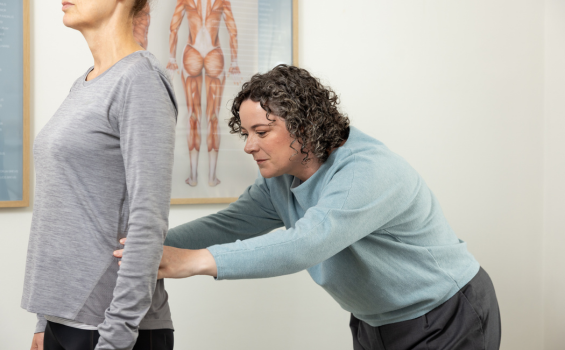
We recommend wearing loose, comfortable clothing that allows you to move freely. Depending on what’s being treated, we may ask you to remove a bulky outer layer—but your comfort and privacy are always respected.

After Your Osteopath Appointment: What to Expect
Some people feel lighter or more mobile right away, while others may notice mild soreness or fatigue for a day or two. This is completely normal as your body responds to the treatment. We will discuss post-treatment care during your appointment, and we’re always happy to check in if you have any concerns.
Planning Ongoing Care
How often you need an osteopath appointment really depends on your body, your goals, and the nature of your concern. Some people feel a big difference after just one or two sessions, while others may benefit from more regular support. We’ll always explain our recommendations clearly so you can make an informed choice.
Frequently Asked Questions
If you’re new to osteopathy, you might have a few questions before booking your first osteopath appointment. We’ve answered some of the most common ones below—designed to give you a clearer picture of what osteopathy involves, how it compares to other treatments, and what you can expect from your care.
What does an osteopath do?
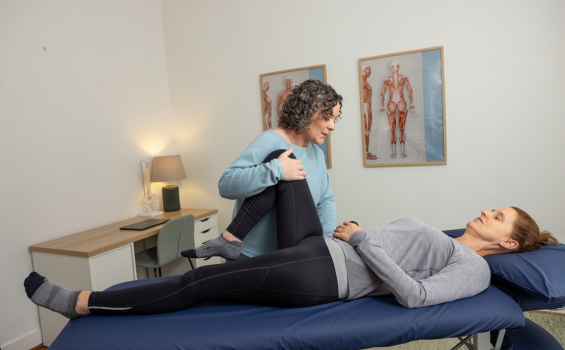
Osteopaths support patients through every stage of their healthcare journey—from your first osteopath appointment to long-term treatment planning. Osteopaths are allied health professionals who assess the way your body moves and functions as a whole. Using hands-on techniques like soft tissue release, joint mobilisation and stretching, they help reduce tension, improve alignment, and restore more comfortable movement. Rather than just treating symptoms, osteopaths aim to understand the root cause of discomfort and support your body’s natural ability to heal.
What is the difference between an osteopath and a chiropractor?
Osteopaths and chiropractors both use manual techniques, but their training and approaches differ. Chiropractors typically focus on spinal alignment and primarily use high-velocity adjustments. Osteopaths take a broader, more holistic view of the body and use a range of techniques that address joints, muscles and connective tissue. These can be similar to those used by chiropractors, but also include many slower, gentler techniques.
What does lymphoedema treatment involve?
Lymphoedema management is tailored to your individual needs and may include manual lymphatic drainage (MLD), compression bandaging or garments, skin care advice, movement and exercise recommendations, and education to help you manage your condition at home. Your initial appointment will involve discussing your history, symptoms and goals before developing an appropriate management plan.
Is osteopathy different from physiotherapy?
Yes, though there can be overlap depending on the practitioner. Physiotherapists are often movement-focused, using exercise plans and rehabilitation programs to support recovery, especially after injury. Osteopaths offer more hands-on treatment during each session, with a strong emphasis on how the body’s structure and alignment relate to function. Both can be highly effective, and some people choose to combine them.
Who should not see an osteopath?
Osteopathy is generally very safe. However, if you have a serious health condition such as a recent fracture, active cancer, or an acute infection, it’s important to speak with your GP or specialist first. We’ll always refer you on if we believe osteopathy isn’t the right fit.
What problems does an osteopath treat?
Osteopaths can help with a wide range of concerns including:
- Lower back and neck pain
- Joint discomfort
- Postural tension
- Headaches and jaw pain
- Pregnancy-related musculoskeletal issues
- General stiffness or restricted movement
Is osteopathy covered by Medicare?
Osteopathy is not covered by Medicare unless you have a Chronic Disease Management (CDM) plan from your GP (please note; the CDM plan does not cover the full fee). However, many private health funds provide rebates for osteopathy.
When should you book an osteopath appointment?
You might consider booking with an osteopath if you’re dealing with:
- Ongoing or recurring pain that doesn’t seem to ease
- Stiffness or reduced mobility
- Postural issues from sitting, standing or lifting
- General fatigue or body tension
- Discomfort during pregnancy or after birth
If your symptoms are interfering with how you move or feel each day, it’s a good time to seek care. The sooner you address the issue, the more likely you’ll prevent it from becoming a long-term pattern.
Do osteopaths crack your back?
Not necessarily. Osteopaths are trained in a variety of techniques, one of which is joint manipulation, or “cracking”, but there are many effective treatments that use gentler, low-force methods. We’ll always explain the technique beforehand and make sure you’re comfortable every step of the way.
Can lymphoedema be cured?
There is currently no cure for most forms of lymphoedema, but appropriate management can help control swelling, support tissue health, reduce the risk of complications and improve quality of life. Early assessment and ongoing self-management are important parts of care. Your treatment plan will be tailored to your circumstances and may change over time.
Can I claim on my private health?
Yes. Most private health funds with extras cover include osteopathy. If you’re unsure, check with your insurer before your appointment. We can provide invoices for claims or process rebates on the spot via our HICAPS machine.
Can an osteopath appointment help with stress or fatigue?
While osteopathy doesn’t treat stress directly, many people find that reducing physical tension through hands-on treatment also helps them feel more relaxed and clear-headed. We also utilise a lot of techniques that influence your nervous system, which can help reduce stress and tension. Some patients report sleeping better or feeling less fatigued after a session, as their body moves and functions more freely.
Do I need a referral to see an osteopath?
No- osteopaths are primary health care practitioners. No referral is needed to book an appointment.
Do you accept DVA patients?
Yes, Dr Christine Thompson accepts Department of Veteran Affairs (DVA) patients.
A referral from your GP is required to be received by the clinic prior to your first appointment.
Do you accept private health?
Yes- we have HICAPS so you can claim with your private health on the spot and just pay the gap.
What should I wear?
Wear whatever you are comfortable in. You may be required to move around, and access to the area of concern is required, so loose, flexible clothing is best. You may be asked to remove some layers of clothing to enable the area to be assessed and treated, but you will only be asked to undress to your comfort level.
Do you provide compression garment assessment and fitting?
Yes. Compression is an important part of lymphoedema management for many people. I can assess your individual needs and provide guidance on appropriate compression options, including compression garments and bandaging where indicated. Compression garment selection and fitting take into account factors such as your swelling, limb shape, medical history and ability to apply and remove the garment. My aim is to help you find a suitable option that supports your ongoing swelling management and self-care.
Are there any side effects to Osteopathic treatments?
Your osteopathy treatment should not be painful, although some assessment and treatment techniques may be slightly uncomfortable. Your practitioner will check in with you regularly to ensure you are ok.
Some post-treatment soreness can be experienced, similar to post-exercise soreness. This should resolve within 24-48hrs. Your osteopath will discuss post-treatment care to minimise any post-treatment soreness.
Still have questions? Contact us and we’ll be happy to help.