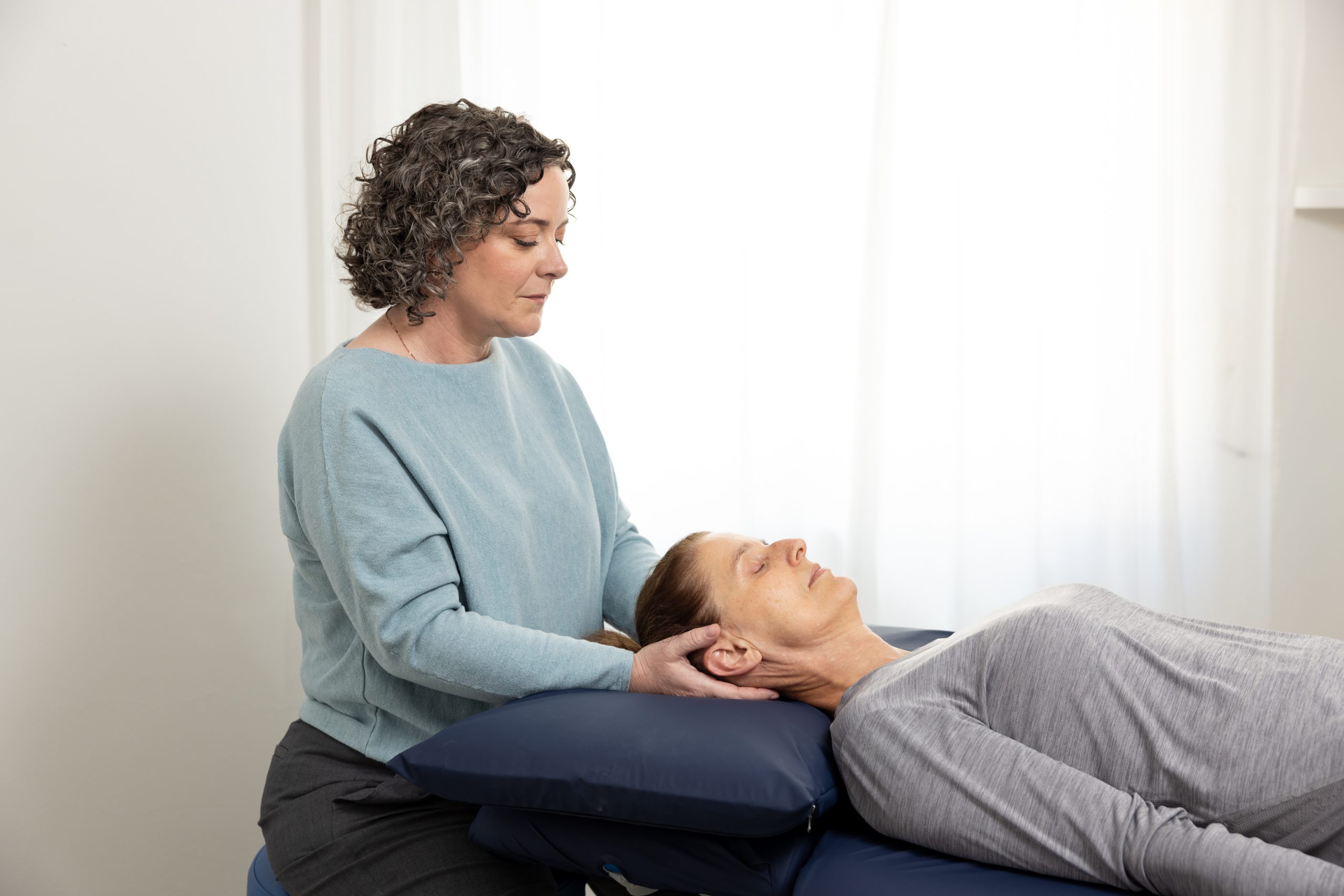
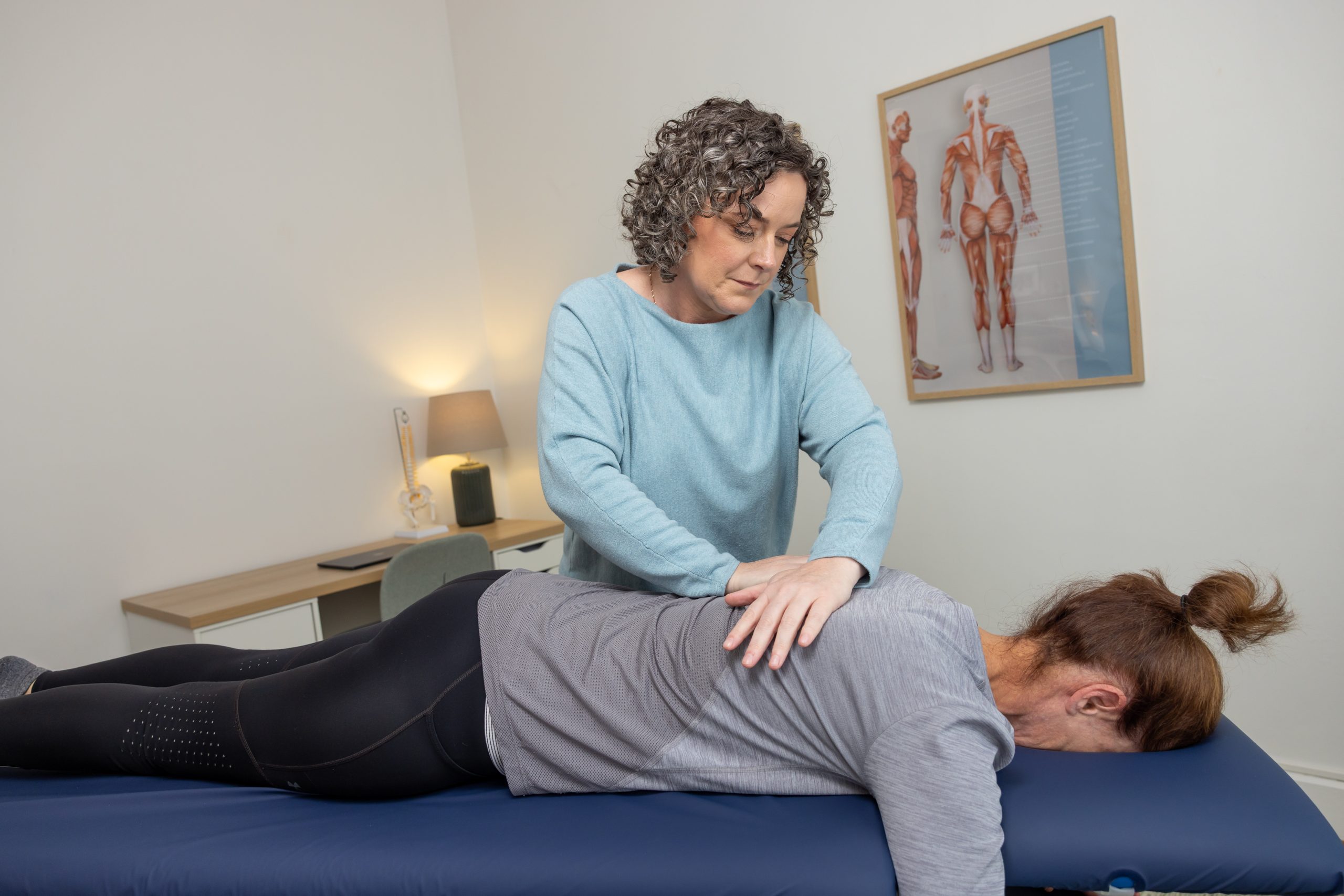
Osteopathy is a form of manual healthcare that focuses on how the body’s bones, muscles, joints, nerves and connective tissues work together. Rather than treating just the site of pain, osteopaths look at the body as a whole, aiming to restore balance, reduce tension and support the body’s natural healing ability.
Through hands-on techniques such as stretching, soft tissue release and joint mobilisation, osteopathy can help relieve discomfort, improve mobility, and prevent future strain.
Osteopathy in Australia
Osteopathy in Australia is a nationally regulated allied health profession. To become a registered osteopath, practitioners must complete a recognised university-level degree in osteopathic medicine or science—typically a five-year pathway involving both clinical and academic training.
Osteopathy began gaining popularity in Australia in the early 1900s and has grown steadily since. Today, osteopaths are recognised across the country as trusted, evidence-informed practitioners who provide safe, patient-centred care.
All Australian osteopaths are registered under the Australian Health Practitioner Regulation Agency (AHPRA) and are members of professional associations such as Osteopathy Australia, which advocates for quality care and ongoing professional development.
If you’re exploring your options for manual therapy, osteopathy in Australia offers a highly qualified, regulated and holistic approach.
How Is Osteopathy Different from Physiotherapy or Chiropractic Care?
Osteopathy, physiotherapy and chiropractic care all involve hands-on treatment for musculoskeletal concerns, but their philosophies and methods vary. There can be some overlap in treatment styles within the three professions, which are often practitioner specific, but there are generally some differences in their philosophies and methods.
Osteopaths focus on the whole body, looking at how structure affects function. They use a broad range of techniques to gently restore balance and support healing.
Physiotherapists often concentrate on exercise-based rehabilitation and movement correction, especially after injury or surgery.
Chiropractors typically focus on spinal alignment and may use more forceful joint manipulations.
While all three are regulated professions in Australia, osteopathy offers a uniquely holistic and patient-centred approach. Many people choose osteopathy in Australia for its combination of soft tissue work, joint mobilisation and lifestyle support.
Techniques Commonly Used in Osteopathy
Osteopaths are trained in a wide range of techniques to suit individual needs, including:
Soft tissue massage and myofascial release
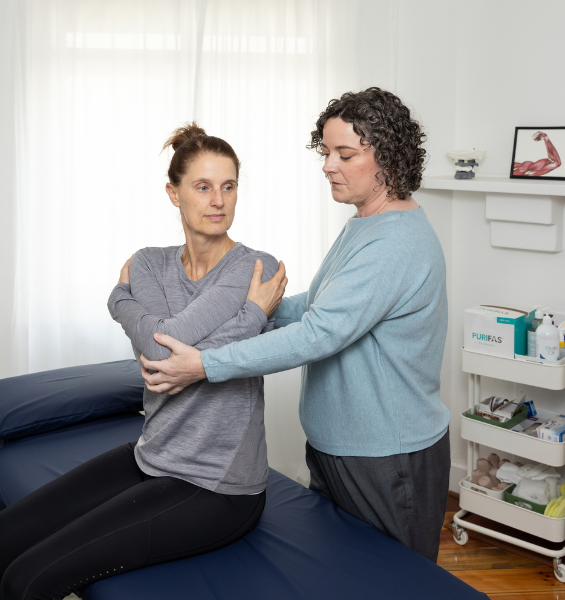
Joint mobilisation and gentle articulation
Joint manipulation (“cracking”)
Muscle energy techniques
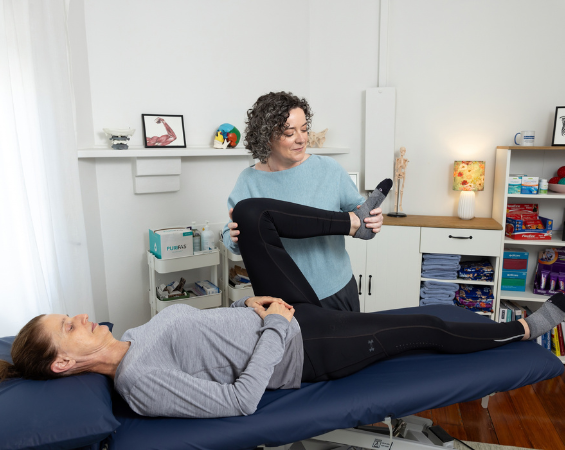
Stretching and passive movement
Dr Christine Thompson has also undertaken additional training in:
Craniosacral therapy
Kinesiology taping
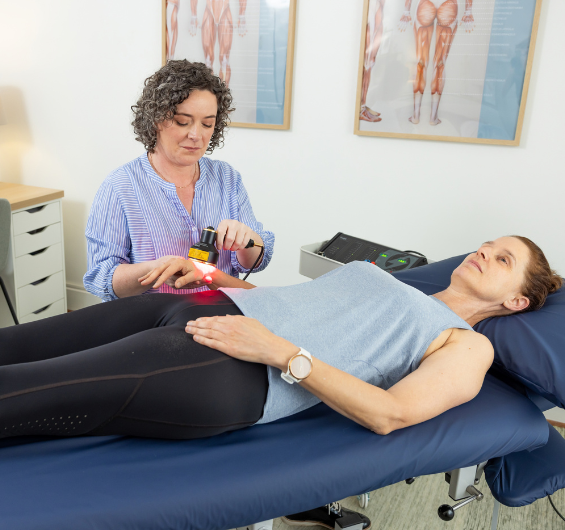
Low level laser therapy
Each treatment is tailored to the individual, depending on your symptoms, preferences and goals. The goal is always to reduce pain, improve mobility and support the body’s ability to heal.
Our Approach to Osteopathy
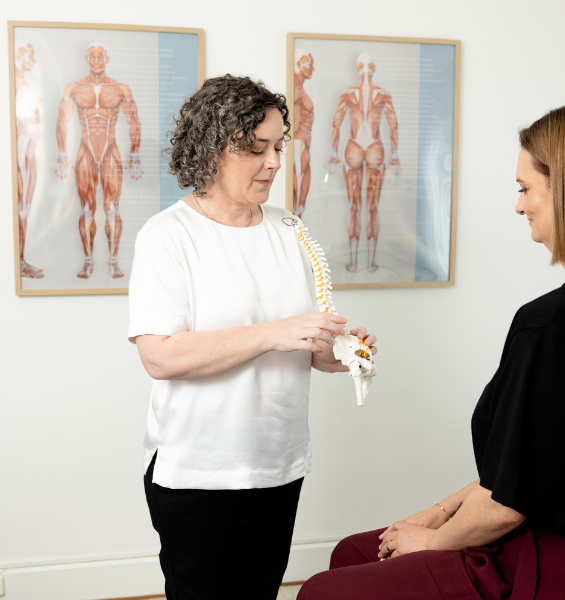
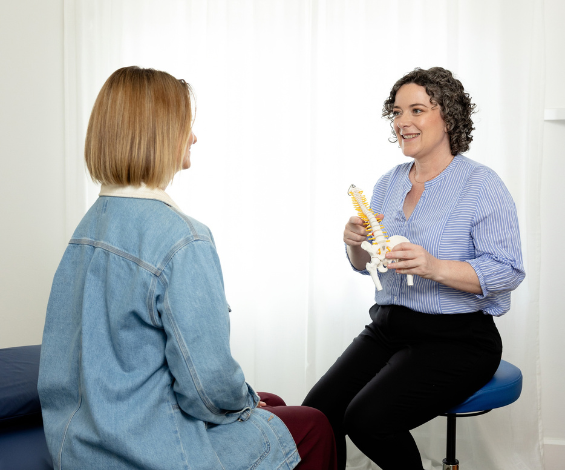
We understand that no two bodies—or lives—are the same. Our approach to osteopathy is gentle, respectful and highly personalised. We take time to listen to your concerns, assess your movement and develop a treatment plan that fits both your symptoms and your schedule.
You won’t find a one-size-fits-all approach here. Whether you’re seeking relief from long-term tension, recovering from an injury or just feeling out of balance, we tailor every session to support your unique needs.
We’re proud to provide a style of osteopathy in Australia that prioritises personalised care over a one-size-fits-all model—one that values trust, comfort and clarity in every session.
If you’re living with discomfort, stiffness or recurring tension, osteopathy may be able to help. It’s suitable for a wide range of ages and body types, and many people find it particularly helpful for:
Lower back pain
Neck or shoulder tension
Postural strain from desk work or daily life
Pregnancy-related aches
Recovering from minor injuries
Every body is different, and so is every treatment. We’ll work with you to find the right approach.
Unlike some other forms of manual therapy, osteopathy always considers how the parts of your body interact. Pain in one area may be linked to restriction in another, and osteopaths are trained to explore those relationships gently and holistically.
We don’t just treat symptoms—we aim to understand what’s driving them, and how we can support your body in healing and staying well.
If you’re looking for compassionate, evidence-based care that respects your time, your story and your goals, osteopathy may be the path forward. Whether you’re new to manual therapy or have tried other approaches before, we’re here to help you move and feel better.